


The cardboard boxes you receive for takeout and the paper cups you use for coffee might look similar, but they could be completely different things. One is made of pulp, the other is paper and plastic film. Today's focus is on something that sounds quite "simple"—molded pulp.
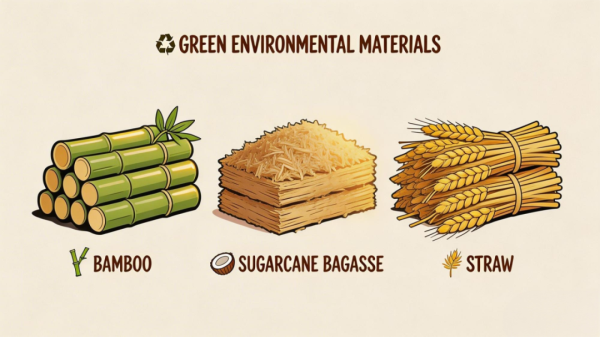
Molded pulp products are "grown" by pouring pulp into a mold. Plant fibers like bamboo, sugarcane bagasse, and waste cardboard are broken down into pulp and poured into a perforated mold.
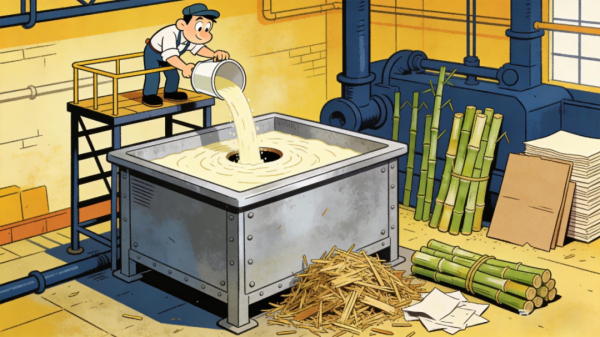
A vacuum is created, causing the fibers to adhere to the inner wall of the mold, and then it's heated and dried—resulting in various shapes of tableware or packaging.
This is why it's called "molding," following the same logic as injection molding and blow molding.
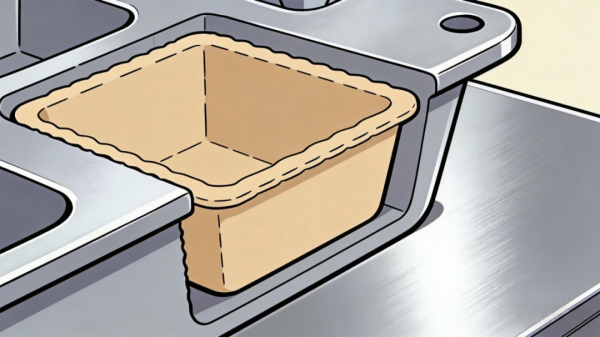
The only difference is the material—paper. Examples include takeout containers, coffee trays, egg cartons, cushioning packaging, and supermarket fresh produce trays.
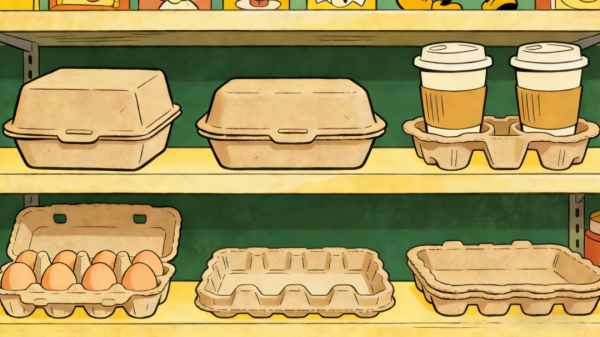
What are the advantages of molded pulp? It's an all-paper structure, contains no plastic, is theoretically recyclable, can be customized, allows for free mold shapes, and is suitable for various irregularly shaped packaging.

Raw materials are plentiful, including bamboo, sugarcane bagasse, and straw. Carbon emissions are low, and the production process is more energy-efficient than high-temperature molding of plastics.
What are its drawbacks? Water resistance is generally poor; water will seep through if poured directly. Heat resistance is limited, generally around 80°C; hot soup may not withstand it. Cost is slightly higher, currently 30%-50% more expensive than traditional plastic tableware.

So how does it compare to "coated paper cups"? Simply put, pulp molding is a one-piece molding process, an all-paper structure.
Coated paper products have a PLA film coated on the inside of the paper cup.

The difference is that pulp molding is entirely recyclable for papermaking, while coated paper products require separating the paper and PLA for degradation.
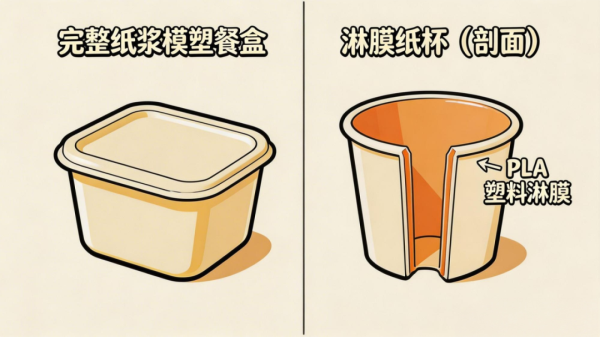
Pulp molding can produce more complex shapes, while coated paper products have limited shape options.
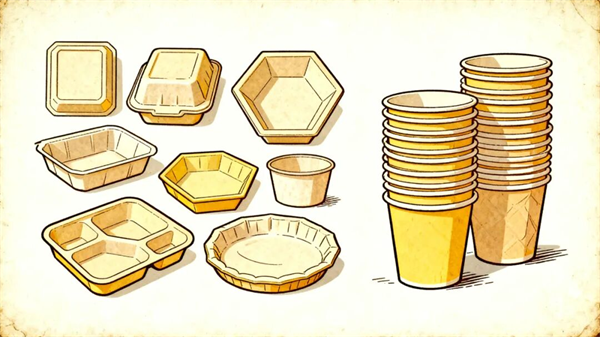
Many chain restaurants, airlines, and supermarkets are gradually replacing plastic tableware with pulp molding.

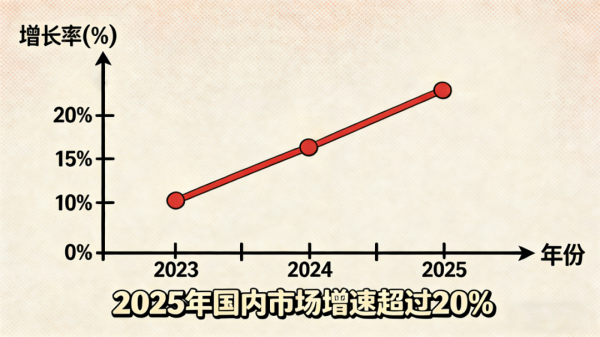
The domestic market growth rate is projected to exceed 20% by 2025, making it a category still in its growth phase.
Pulp molding is not a "perfect solution," but it represents a direction: doing more environmentally friendly things with more familiar materials.


follow sincere